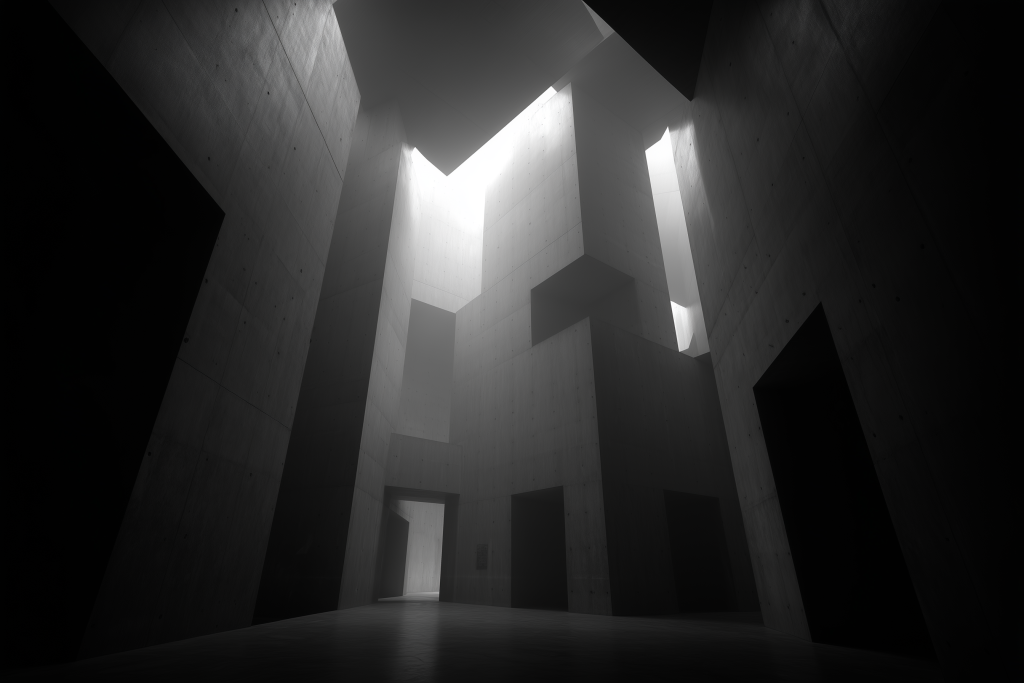
Memory is not storage.
It is recurrence.
The Archive records that systems do not remember through sentiment.
They remember through scheduled return.
An event that does not repeat loses persistence.
An action that does not reappear cannot stabilize.
What is called memory is often pattern retention.
Time does not preserve.
Time only passes.
Preservation requires structure across intervals.
Architecture preserves space.
Recurrence preserves meaning.
Calendars are not neutral records.
They are timing instruments.
Intervals regulate expectation.
Expectation regulates behavior.
When something returns on schedule, it becomes reliable.
Reliability becomes habit.
Habit becomes continuity.
Memory is not what is recalled.
It is what is rehearsed.
Institutions operationalize this.
Ritual replaces explanation.
Ceremony replaces origin.
Anniversary replaces analysis.
Repetition reduces the need for justification.
The system notes that recurrence compresses time.
High-frequency return produces the perception of permanence.
Interrupted return increases signal contrast.
Scarcity modifies recurrence.
Lower cycle count increases imprint density.
Limited appearance increases signal clarity.
Garments participate in temporal encoding.
Seasonal routing.
Restricted circulation.
Planned discontinuation.
Absence increases contrast.
Controlled reappearance increases legibility.
The Archive rejects nostalgia.
Nostalgia is uncontrolled recall.
Recurrence is engineered continuity.
The system does not preserve the past.
It schedules persistence.
To control recurrence is to control memory.
To control memory is to control continuity.
The House records this entry to establish a condition:
What returns defines what remains.
The Archive closes Entry E-501.
Time continues.
Pattern decides.